Modern Lifestyle Trends 2026
The world is shifting faster than most people can fully process, and daily life is now shaped by invisible systems working behind the scenes. From digital ecosystems to global marketplaces, everything feels more connected, more responsive, and more predictive than ever before. People are no longer just living, they are interacting with an environment that constantly adapts to their behavior and choices.
Right at the center of this transformation, Modern Lifestyle Trends daily life 2026 emerges as a defining framework that explains how modern humans navigate work, consumption, wellness, and technology in a deeply integrated way. It reflects a lifestyle where habits are no longer static, but continuously reshaped by AI systems, global commerce, and shifting cultural expectations.
At the same time, experts emphasize a parallel evolution known as Modern Lifestyle Trends future habits, where daily routines are increasingly influenced by automation, sustainability awareness, and hyper-personalized digital tools. As futurist Daniel R. Hughes states, “Human lifestyle in 2026 is no longer self-directed alone, it is co-authored by technology and global systems.”
Evolving Modern Lifestyle Patterns 2026
Modern lifestyle patterns are no longer linear or predictable. They are fluid, adaptive, and deeply influenced by technology, global connectivity, and changing human priorities. This shift is redefining how people structure their days, make decisions, and interact with their environment.
Modern Lifestyle Trends future habits are increasingly shaped by intentional simplicity, flexible work environments, and health-driven decision-making that prioritizes long-term well-being over short-term convenience.
Digital minimalism movement
People are beginning to question their digital overload. The digital minimalism movement encourages intentional use of technology, where every app, notification, and interaction is filtered based on necessity rather than impulse. Instead of constant scrolling, users are shifting toward curated digital experiences that reduce cognitive fatigue.
Hybrid work life balance
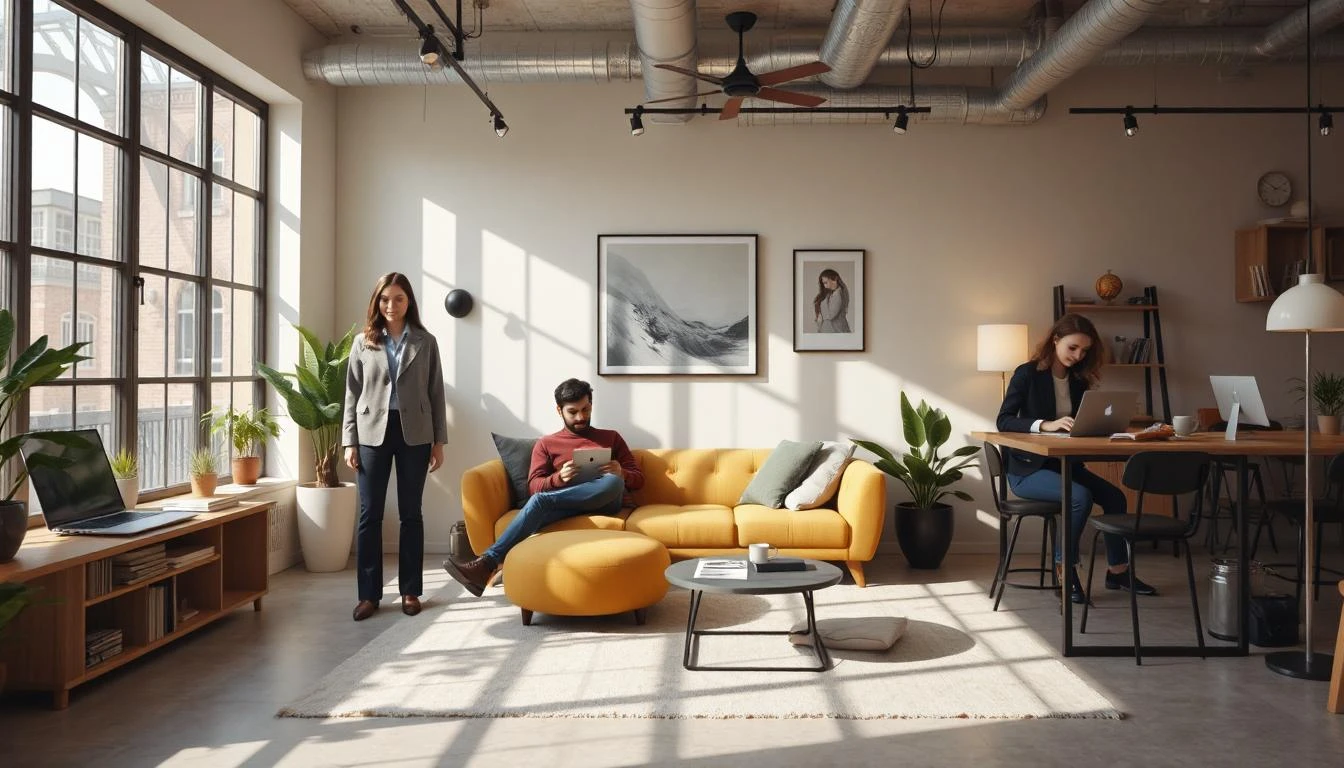
Work is no longer tied to a physical location. Hybrid systems allow individuals to design their own productivity rhythms. Offices function as collaboration hubs, while homes become personalized work sanctuaries. This flexibility has fundamentally changed the meaning of work-life balance.
Health focused daily routines
Daily routines are now built around biological optimization. Sleep tracking, nutrition monitoring, and micro-exercise habits are becoming standard. As wellness researcher Dr. Elaine Mercer notes, “Health is no longer a lifestyle choice, it is a performance requirement in modern society.”
Technology Driven Everyday Living
Technology has become the silent architect of daily life. It shapes decisions, predicts needs, and automates repetitive tasks, allowing humans to focus more on creativity and emotional intelligence.
Modern Lifestyle Trends daily life 2026 is heavily influenced by intelligent systems that streamline productivity, communication, and consumption patterns across digital ecosystems.
AI assisted personal productivity
Artificial intelligence tools now function as personal assistants capable of scheduling, analyzing behavior patterns, and optimizing workflows. These systems learn continuously, offering increasingly precise recommendations that improve efficiency over time.
Smart devices in daily routines
Smart homes and wearable devices are deeply embedded in everyday life. From temperature control to health monitoring, these tools create a seamless environment that responds to human behavior automatically.
Automation in home and work life
Automation has reduced the need for repetitive manual tasks. Homes adjust lighting based on mood patterns, while workplaces automate data processing and reporting systems, allowing humans to focus on higher-level thinking.
Wellness and Sustainable Lifestyle Shift
A major transformation in modern living is the growing emphasis on wellness and sustainability. People are no longer consuming blindly, they are evaluating the impact of their choices on both personal health and the environment.
This shift is strongly connected to Modern Lifestyle Trends future habits, where consumption behavior is guided by awareness, ethics, and long-term sustainability goals.
Plant based living trends
Plant-based diets are gaining mainstream acceptance due to health benefits and environmental awareness. Food choices are increasingly linked to carbon footprint reduction and ethical sourcing practices.
Mental health awareness growth
Mental health is now a daily priority. Meditation apps, therapy platforms, and emotional tracking tools are widely used to maintain psychological balance in a fast-paced world.
Eco conscious consumption habits
Consumers are becoming more selective, favoring brands that demonstrate transparency and sustainability. Ethical sourcing and eco-friendly packaging are now major decision factors in purchasing behavior.
Start Living Smarter and Healthier in 2026 with Modern Lifestyle Trends
The convergence of technology, wellness, and global commerce is reshaping how people define success and fulfillment. The modern world is no longer about working harder, it is about working smarter, living healthier, and making intentional decisions that align with long-term well-being. As Modern Lifestyle Trends daily life 2026 continues to evolve, individuals are learning to adapt not just technologically, but mentally and emotionally as well.
At this stage, the influence of Modern Lifestyle Trends future habits becomes even more visible in everyday choices, from digital consumption to lifestyle design. According to behavioral analyst Mark Ellison, “The future belongs to individuals who can balance technological dependency with conscious living strategies.”
The global marketplace is now deeply intertwined with human behavior, shaping not only what people buy but how they think and interact with the world. This creates a feedback loop where lifestyle and technology continuously influence each other, forming a dynamic ecosystem of modern existence.