Home Relaxation Ideas 2026
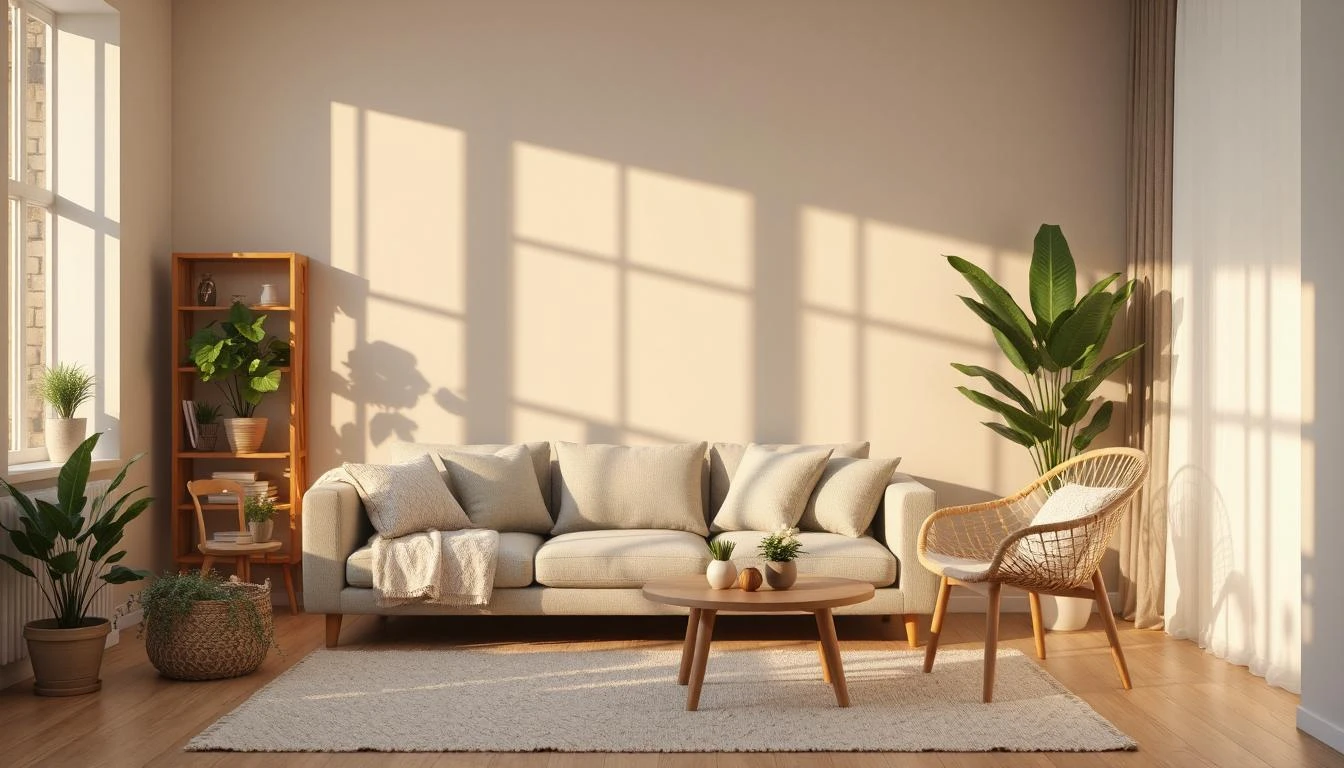
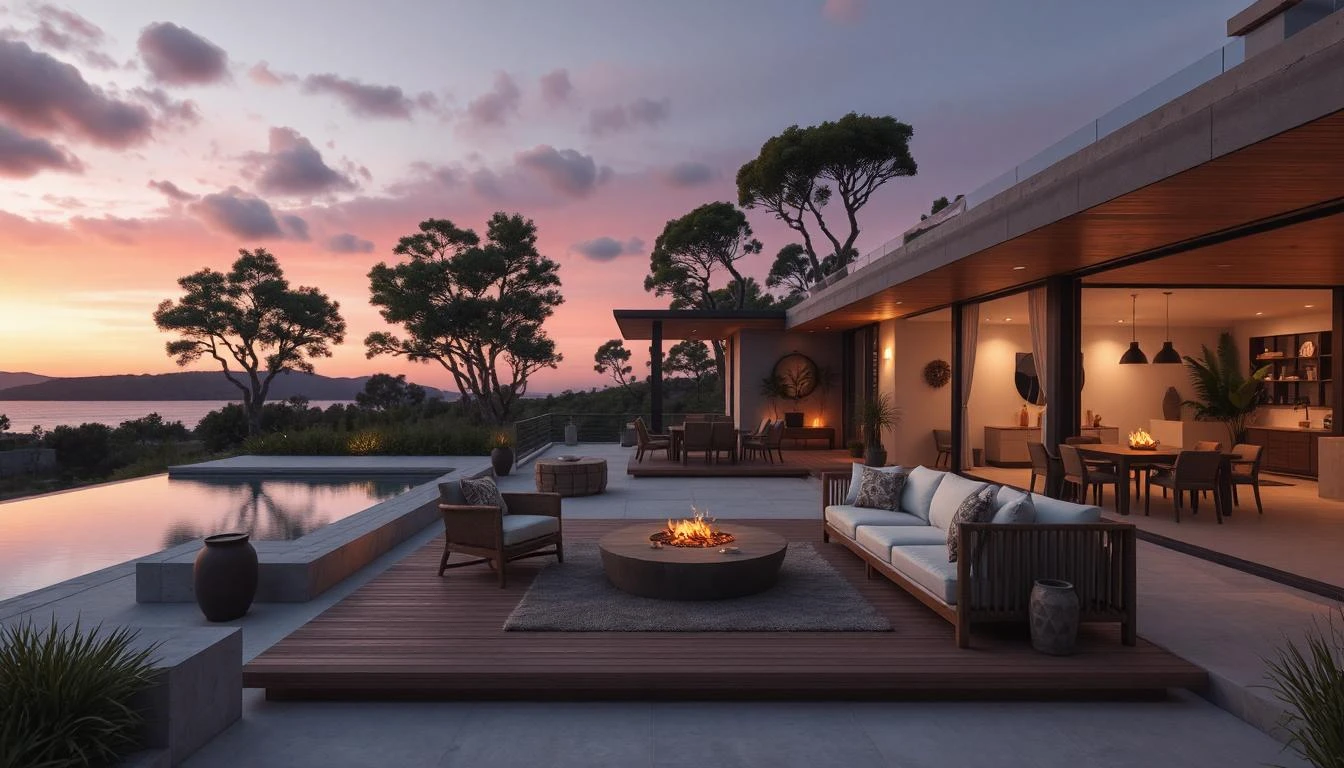
A quiet shift is unfolding inside modern homes, where relaxation is no longer treated as a luxury but as a daily necessity. People across the world are slowly redesigning their living spaces not just for beauty, but for emotional balance and mental clarity.
In this evolving lifestyle movement, Home Relaxation Ideas calm living 2026 is becoming a guiding concept for how individuals build spaces that feel softer, slower, and more intentional. Homes are now expected to respond to human emotions, not just shelter them.
The way people design comfort today reflects a deeper awareness of mental wellbeing, where every corner of a house can influence stress levels, focus, and emotional recovery.
Modern Home Relaxation Concepts
Modern homes are shifting into emotional ecosystems, where design choices are no longer only visual but deeply psychological. This transformation is shaping how people experience daily life inside their personal spaces.
There is a growing global awareness that home environments directly influence emotional stability and mental clarity, especially in fast-paced urban lifestyles.
Calm and mindful living spaces
Minimalist layouts and intentional empty spaces are becoming essential in reducing sensory overload. Clean design choices help the mind breathe, creating room for emotional reset.
The idea of Home Relaxation Ideas stress relief is strongly connected to mindful living, where simplicity becomes a tool for mental grounding. According to interior psychologist Dr. Elaine Harper, “A clutter-free environment often mirrors a clutter-free mind, which directly supports emotional regulation.”
Sensory comfort design elements
Textures, sounds, and scents are now carefully curated to influence mood. Soft fabrics, ambient soundscapes, and subtle aromatherapy work together to create emotional balance.
LSI concepts such as emotional design architecture and sensory wellness interiors are increasingly used in global home marketplace trends, showing how deeply experience-driven design has become.
Nature inspired indoor setups
Biophilic design continues to rise, bringing natural elements like indoor gardens and water features into modern homes. These elements reconnect people with organic rhythms often missing in digital lifestyles.
Interior wellness expert Marco Delaney once stated, “Nature inside the home is not decoration, it is emotional restoration in physical form.”
Wellness Focused Home Environment
Homes are increasingly becoming personal wellness hubs where recovery, rest, and mindfulness are integrated into everyday routines rather than occasional practices.
This shift is closely tied to the global demand for emotionally supportive environments that help reduce stress accumulation throughout the day.
Home spa and aromatherapy zones
Dedicated relaxation corners with essential oils, steam therapy, and calming scents are now common in modern home setups. These spaces are designed for quick emotional resets.
Supporting keyword integration shows that Home Relaxation Ideas stress relief is now a major driver in wellness product marketplaces worldwide.
Meditation and yoga corners
Small, dedicated mindfulness areas are becoming essential in both small apartments and large homes. These spaces encourage daily grounding rituals that support mental clarity.
Soft lighting, natural mats, and quiet surroundings help transform simple corners into emotional recharge zones.
Stress free lighting techniques
Lighting systems now follow circadian rhythms, adjusting automatically throughout the day. This helps regulate sleep patterns and emotional stability.
Homes that use adaptive lighting often report improved relaxation quality and reduced evening anxiety.
Smart Comfort Technology at Home
Technology is quietly redefining comfort by blending automation with emotional intelligence. Homes are no longer passive spaces but responsive environments.
This evolution reflects a growing demand for intelligent systems that understand human behavior patterns.
Adaptive lighting and sound systems
Smart systems now adjust brightness and soundscapes based on mood detection and daily routines. This creates a seamless transition between activity and rest.
The integration of LSI concepts like smart ambiance control and emotional audio environments is shaping future home design trends.
Climate control relaxation features
Temperature regulation systems are becoming more precise, maintaining ideal comfort levels without manual adjustment. This reduces physical stress and improves sleep quality.
Comfort-driven environments are now a major category in global home marketplaces.
AI powered home comfort devices
Artificial intelligence is now capable of learning user habits and suggesting relaxation routines automatically.
Tech wellness strategist Adrian Keller noted, “AI in home environments is no longer about convenience, it is about emotional optimization of daily living.”
Create Your Perfect Relaxing Home Lifestyle in 2026
The modern home is evolving into a deeply personal sanctuary shaped by emotional intelligence, sensory design, and smart automation. People are increasingly seeking spaces that actively reduce stress rather than simply provide shelter.
Global lifestyle trends show a strong movement toward intentional living, where comfort is engineered through both design and technology rather than left to chance.
As homes become more adaptive, individuals are encouraged to rethink how space, light, and sound influence their emotional wellbeing. Small changes often lead to significant psychological improvements over time.
This shift reflects a broader realization that comfort is not static, it is something that can be designed, refined, and continuously improved.
The future of home living is not just about aesthetics, but about emotional harmony that supports everyday resilience.