Interior Design Trends 2026
Global design behavior is shifting at a pace that feels almost architectural in itself, fast, layered, and deeply influenced by digital marketplace ecosystems. Homes are no longer just physical shelters; they are becoming adaptive environments shaped by culture, technology, and emotional intelligence.
Across global creative industries and digital marketplaces, one phrase keeps resurfacing as a guiding direction: Interior Design Trends modern style 2026. This concept is not simply about visual style, but about how modern interiors are evolving into responsive living systems that reflect identity, sustainability, and smart functionality.
Future Interior Design Aesthetic 2026
The future of interior aesthetics is being rewritten through a blend of organic influence, technological integration, and global marketplace demand for personalization. Designers are no longer designing “rooms”, they are shaping experiences.
At the core of this evolution is a shift toward emotional design intelligence, where every texture, color, and layout decision serves both function and feeling.
The global rise of Interior Design Trends home inspiration is driving homeowners to explore deeper meaning in spatial design, not just surface-level beauty.
Organic modern style evolution
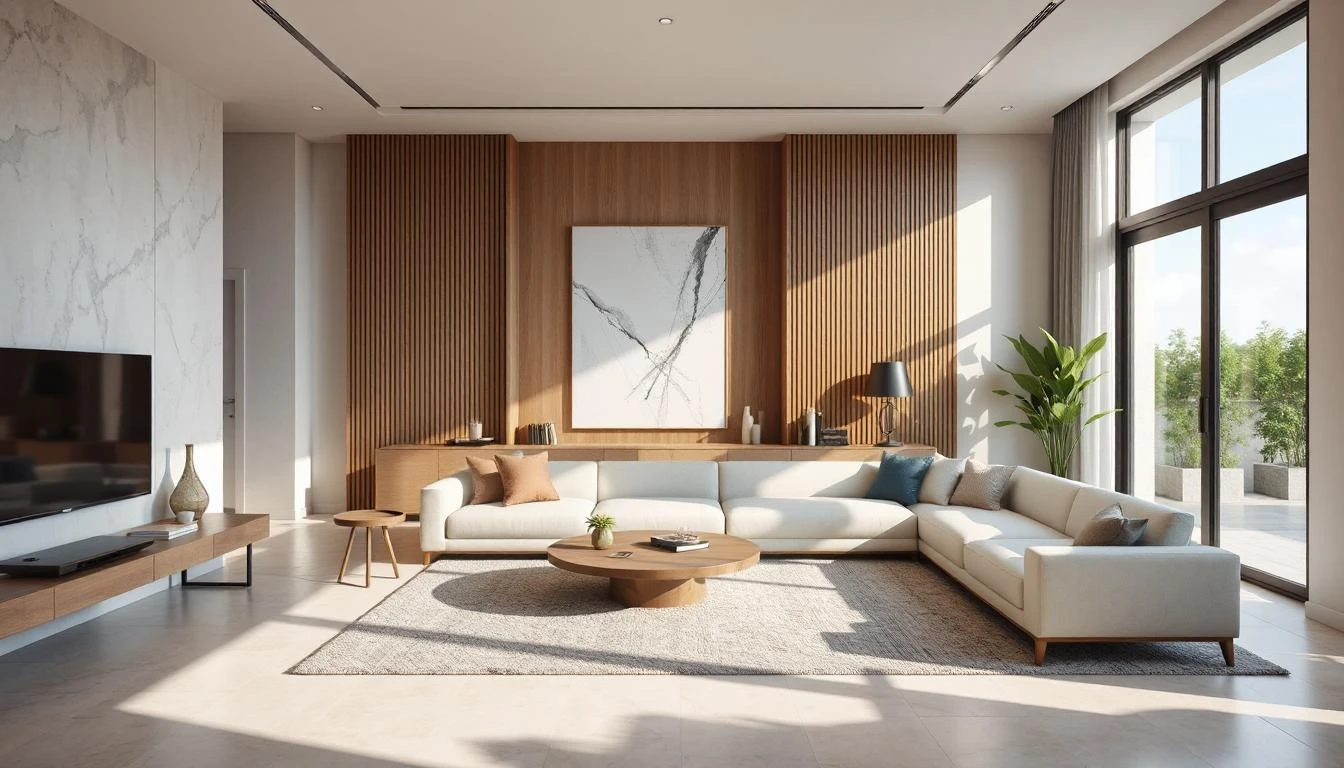
The organic modern movement is redefining how natural elements are merged with structured design. Smooth wood grains, curved furniture silhouettes, and raw stone textures are now central to global design catalogs.
This approach aligns with biophilic principles, where nature is intentionally integrated into living spaces to reduce stress and improve cognitive well-being. It also reflects growing demand in digital marketplaces for authenticity-driven interiors.
Neutral and earthy color palettes
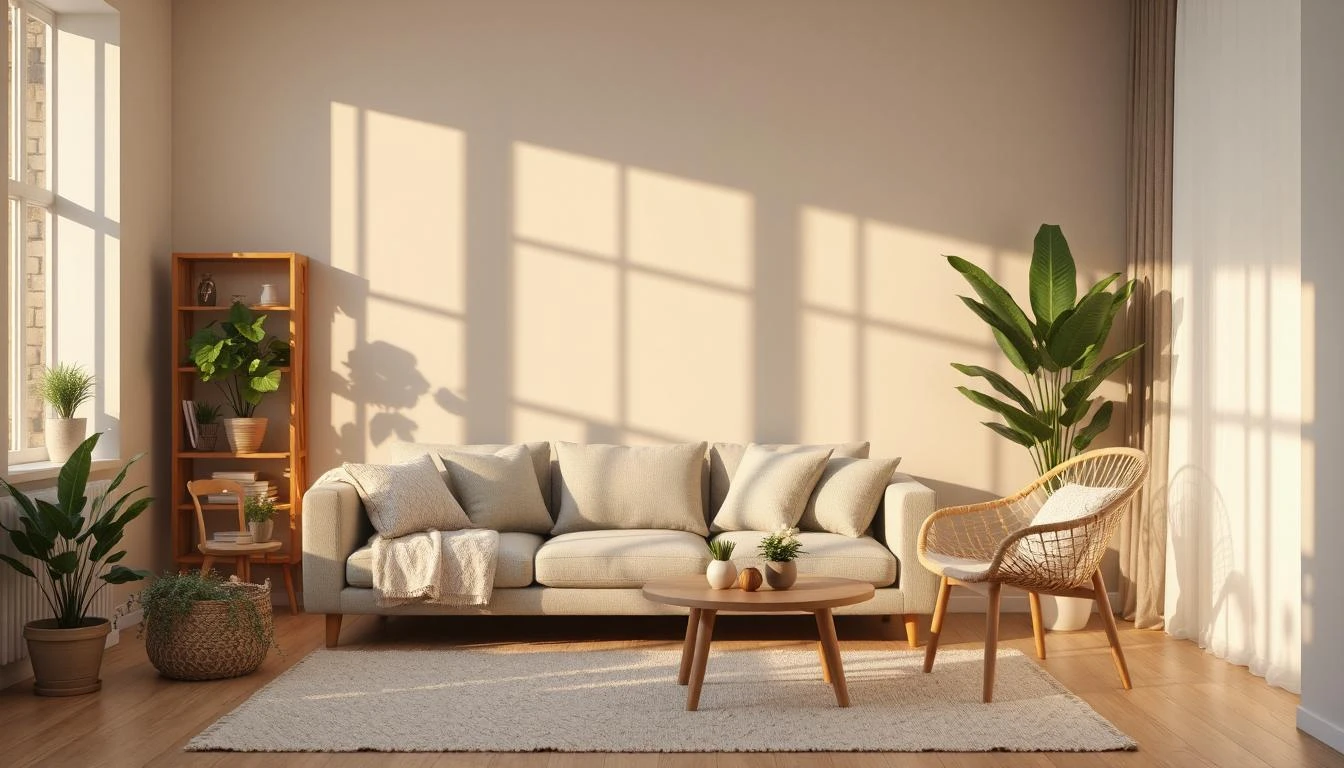
Neutral tones are dominating global design platforms, not as a trend of simplicity, but as a language of emotional balance. Beige, sand, clay, and muted green tones are becoming foundational palettes in modern interiors.
These colors support long-term design flexibility, allowing homeowners to adapt décor without major renovations. As interior strategist Elena Marlowe states, “Color in modern homes is no longer decorative, it is psychological architecture.”
Smart home integration in interiors
Smart systems are now seamlessly embedded into furniture, lighting, and spatial planning. Voice-controlled environments, adaptive lighting, and AI-assisted temperature regulation are no longer luxury features, they are becoming standard expectations.
This evolution reflects how digital marketplaces are merging home technology with design aesthetics, creating unified ecosystems rather than separate components.
Sustainable Living Space Concepts
Sustainability is no longer a design preference, it is a global expectation shaping how interiors are produced, purchased, and experienced.
Modern consumers are actively seeking transparency in materials, production methods, and lifecycle impact before making design decisions.
The demand for Interior Design Trends home inspiration continues to rise as users search for eco-conscious yet visually refined living solutions.
Eco friendly materials usage
Materials like reclaimed wood, bamboo composites, and recycled metals are becoming mainstream in global interior supply chains. These choices are driven by both environmental responsibility and aesthetic uniqueness.
Sustainable design is now closely tied to marketplace value, where eco-certified products often perform better in global demand rankings.
Energy efficient lighting design
Lighting design has evolved into a strategic blend of sustainability and ambiance engineering. LED micro-systems, solar-integrated fixtures, and motion-based lighting are widely adopted across modern homes.
According to architectural consultant Daniel Whitmore, “Energy-efficient lighting is the invisible backbone of modern interior sustainability, it defines both mood and resource responsibility.”
Minimal waste furniture trends
Furniture production is undergoing a structural transformation toward modularity and recyclability. Flat-pack systems, replaceable components, and biodegradable materials are reshaping global furniture marketplaces.
This shift supports a circular economy model, reducing waste while increasing long-term product usability.
Smart Functional Home Layouts
Functionality has become a defining metric in modern interior design, especially in urban environments where space efficiency is critical.
Homes are now designed to adapt dynamically to changing user needs throughout the day.
Digital marketplaces increasingly highlight multifunctional layouts as a premium category of modern living solutions.
Multi purpose room design
Rooms are no longer fixed in purpose. Living spaces now transition between work zones, relaxation areas, and entertainment hubs with minimal structural change.
This flexibility is particularly relevant in high-density urban housing markets, where adaptability equals value.
Space saving furniture innovation
Furniture innovation is accelerating rapidly, with designs that fold, expand, rotate, and disappear into architectural elements.
These innovations are reshaping global consumer expectations, especially in compact living environments where every square meter matters.
Technology driven home automation
Automation systems are becoming the invisible intelligence behind modern homes. From predictive climate control to AI-managed energy consumption, homes are evolving into responsive ecosystems.
As designer Marcus Ellington explains, “The future home does not wait for instruction, it anticipates human behavior.”
Transform Your Home with Modern Interior Trends 2026
The global interior landscape is moving toward a fusion of sustainability, intelligence, and emotional design. Every choice, from material selection to spatial planning, now contributes to a larger ecosystem of lifestyle optimization.
Understanding Interior Design Trends modern style 2026 is not about following aesthetics blindly, but about interpreting how global marketplace shifts influence personal living environments. These trends encourage a more conscious, adaptive, and meaningful approach to home design.
To stay aligned with this evolution, integrating Interior Design Trends home inspiration into your design research can help you identify styles that resonate with both function and personality.
The future of interiors is no longer distant, it is already shaping how people live, work, and interact with space today. The real question is how quickly you are willing to adapt your environment to match it.